Let us talk about muscles.
No, not the Magic Mike film of Channing Tatum’s bulging pecks or a bodybuilder’s protruding glazed donut delts.
We’re talking about their functionality.
All of us are innately born with this large organ, which makes up for almost 40% of our total body weight, including the smooth, cardiac, and skeletal muscles. The main character of this story is the skeletal muscles, our very own power house. We often take them for granted, and never fully give them a second thought or credit.
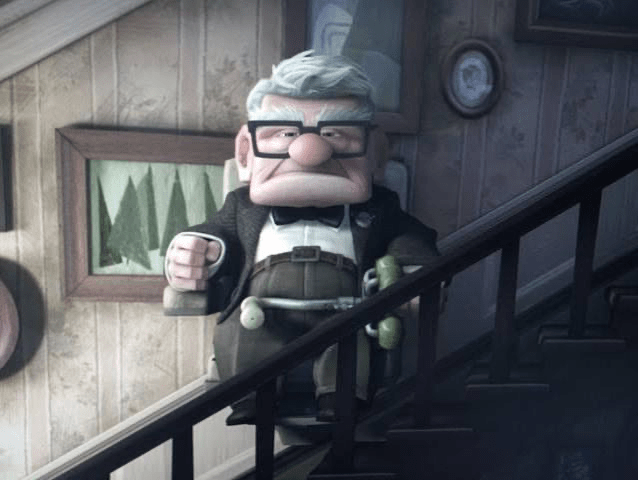
Then why is it so common that as we get older, we are more tired climbing up several flights of stairs that were of little effort but are much harder now, compared to our younger selves? Why do some of us normalize being tired easily as a sign of “getting old”? We, as a society, associate old age to frailty. It is an all too common occurrence to see an elderly on the street walking with a mobility assistive device, or sitting on a wheelchair, or exhibiting a shuffling gait while holding or not, to their walking cane.
However, it isn’t by random coincidence that becoming older correlates to muscle weakness. It is a real phenomenon. A professor at the Human Nutrition Research Center on Aging at Tufts University observed this relationship between decreasing lean body mass in people of older age. In fact, back in 1989, no attention was given to this type of condition and people weren’t aware of how serious it could have gotten. So Dr. Irwin H. Rosenberg assigned two Greek words sarco (meaning flesh) and penia (meaning loss) together, to explain the correlation among muscular changes among the aging population, and hence, the word sarcopenia was born.
As a society, we assume that sarcopenia is an “old people” condition, but the fact is as we enter our mid life, all of us are susceptible to losing 1% of our body muscle mass per year. By the time we reach our 80s and 90s, that loss can be as high as 50%. Sarcopenia is also marked by the loss of muscle fibers and shrinkage of muscles called atrophy (Atherton et al, 2018). Not addressing it sooner than later would guarantee immobility, loss of independence and freedom for our future selves. In fact, the condition has been associated with decline in cognitive functions, higher risk of osteoporosis and cardiovascular diseases, complications and longer hospitalization stay after an operative care, falls, fractures, and death (Yuan and Larsson, 2023).
So if our skeletal muscles power mobility, wouldn’t it make sense that we should give it more support, not less, as we age? The good news is that muscles are remarkably adaptable, meaning the damage can be reversed through intervention with an intake of high quality protein, weight and resistance training, and avoiding a sedentary lifestyle. Also, resistance training for 6 months has been shown to reverse aging and increase strength, and wouldn’t we all want that? We should challenge the belief that feeling tired climbing up the stairs is part of getting older because aging isn’t the problem, muscle loss and neglect are.
Reference:
- Wilkinson et al. The age-related loss of skeletal muscle mass and function: Measurement and physiology of muscle fibre atrophy and muscle fibre loss in humans. Ageing Res Rev. 2018
- Rosenbeg IH. Summary Comments. AM J Clin Nutr 50:1231-1233, 1989
- Yuan S, Larsson S. Epidemiology of sarcopenia: Prevalence, risk factors, and consequences Metabolism – Clinical and Experimental, 2023
- Melov S et al. Resistance exercise reverses aging in human skeletal muscle. PLoS One. 2007


Leave a Reply